How to Choose an RPM Service: The Clinic Buyer’s Guide
Learn how to choose an RPM service with 10 key questions on EHR integration, pricing, compliance, and billing. Build your vendor shortlist with confidence.
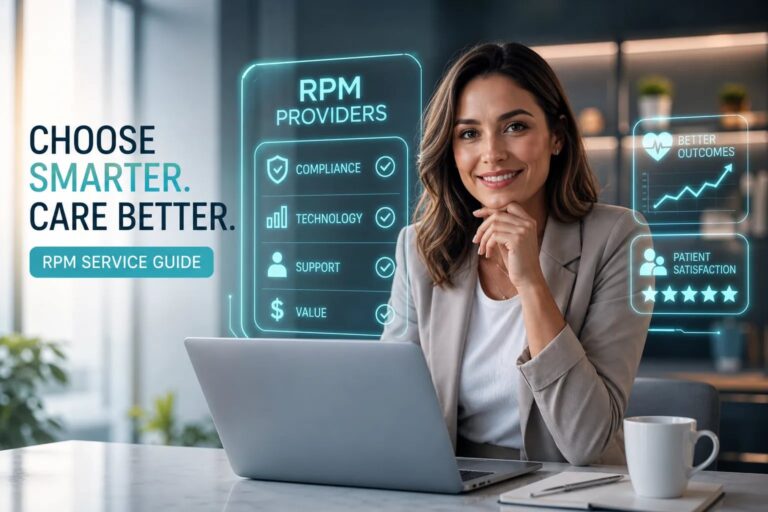
Learn how to choose an RPM service with 10 key questions on EHR integration, pricing, compliance, and billing. Build your vendor shortlist with confidence.
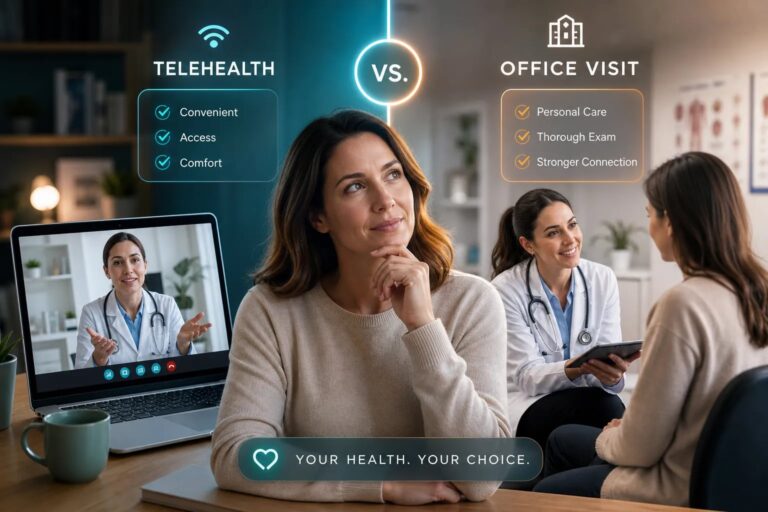
Learn when a chronic illness patient should use telehealth instead of an office visit, what red flags demand in-person care, and how to prepare. RemoteHCS can help.

Hospital readmission prevention starts with the right post-discharge plan. Explore 8 proven strategies for care teams to reduce 30-day readmissions and track impact.
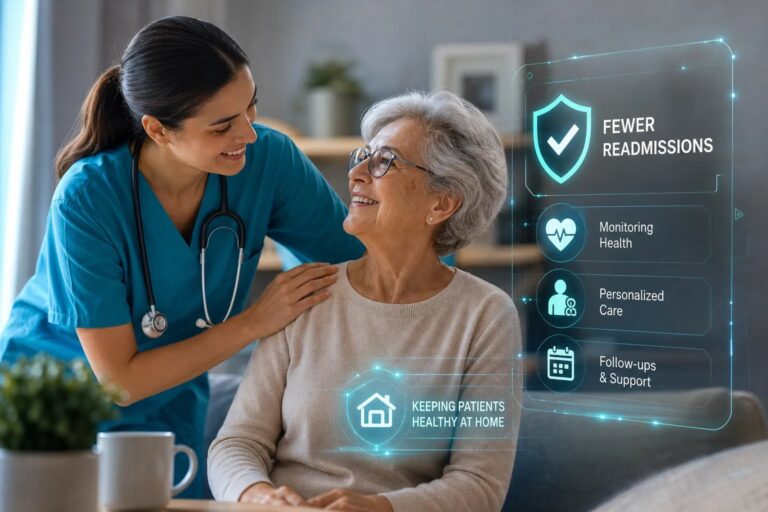
Readmission reduction programs explained: how HRRP penalties work, what components cut 30-day rates, and what outcomes research shows. See how RPM fills the gap.
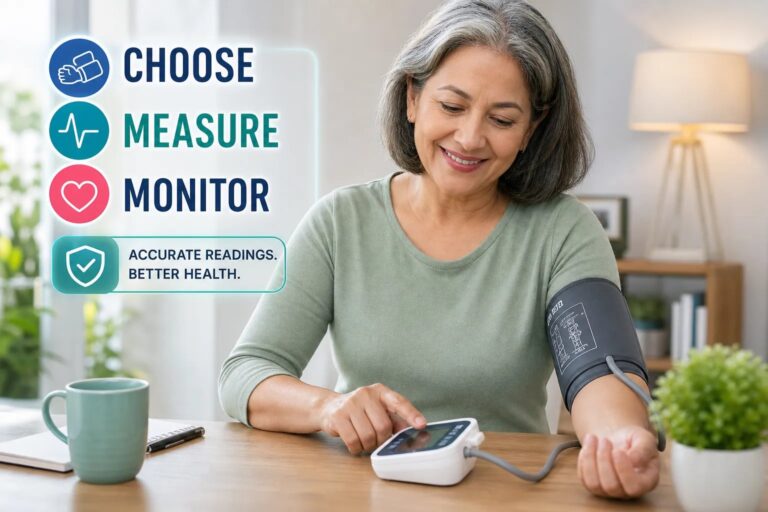
Learn how to choose the right blood pressure cuff size, place it correctly, and get accurate readings at home. Practical guide for arm, wrist, and connected cuffs.
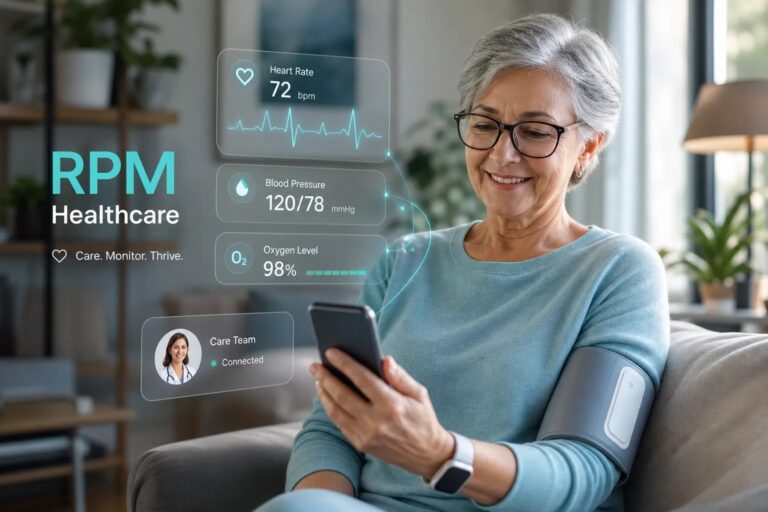
RPM healthcare explained: how remote patient monitoring works, who it’s for, what conditions it tracks, and how to find a trusted platform. Learn more.
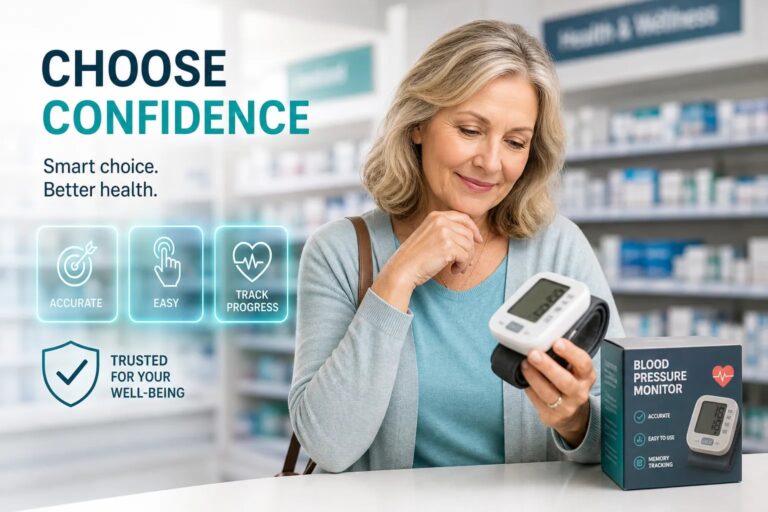
A blood pressure reader from CVS is quick and convenient, but is it enough? Compare models, accuracy, and when a connected RPM program serves you better.
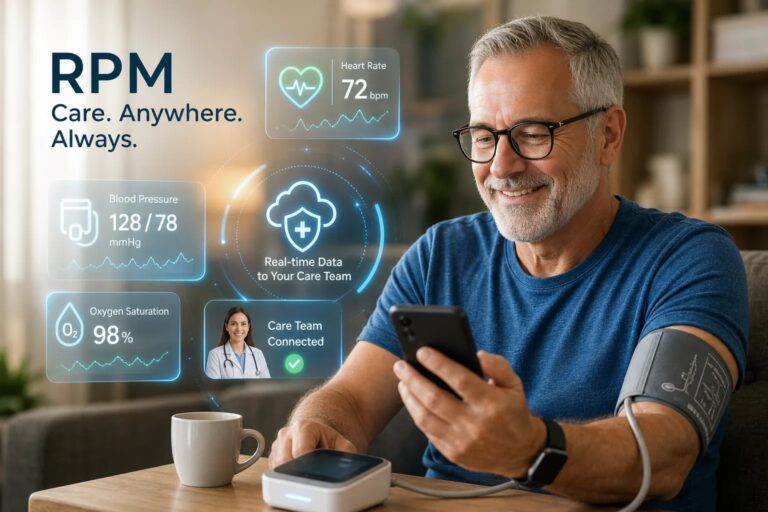
RPM health care connects patients and care teams between visits through real-time monitoring. Learn how it works, who benefits most, and what to look for in a provider.
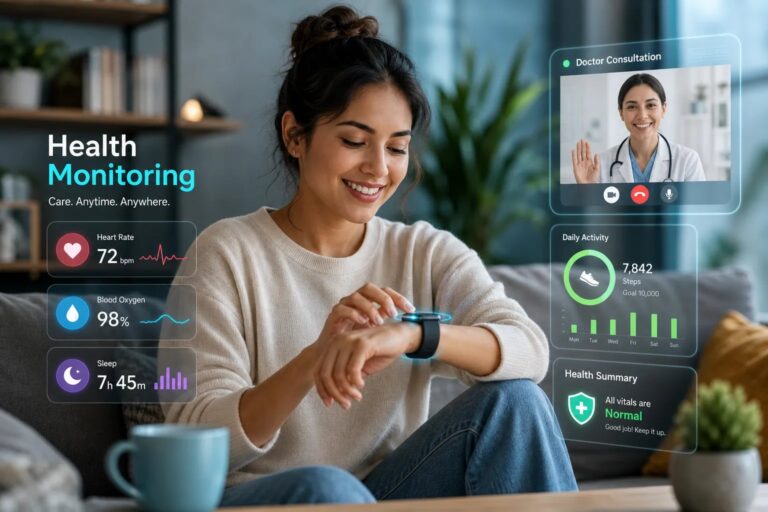
Remote health monitoring explained: how it works, which conditions it helps, devices used, and Medicare coverage in 2026. Find the right program for you.
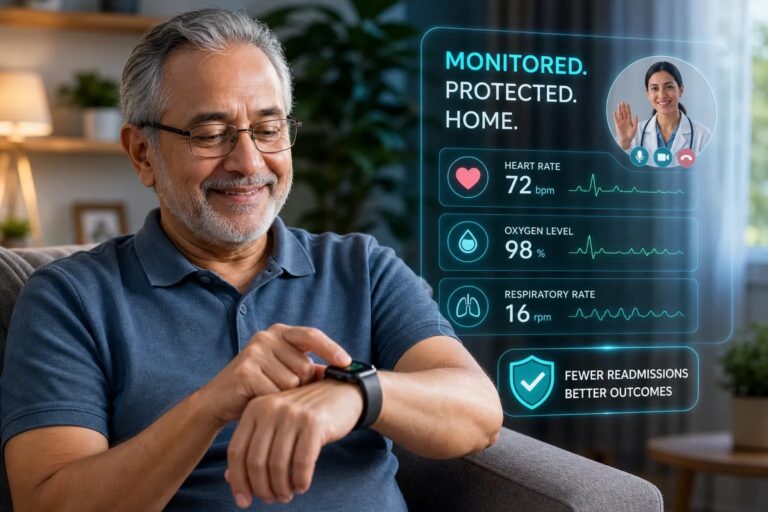
Remote patient monitoring reduces hospital readmissions through early detection, care coordination, and real-time vitals tracking. See the evidence and what works.