What one blood pressure reading can and can’t tell you
A single blood pressure reading is a moment. Your care team is usually trying to see a pattern, and one number on its own rarely shows one.
Why one reading is hard to act on
Blood pressure moves through the day. It tends to be lowest during sleep and higher in the hours after waking, and it responds to caffeine, pain, a full bladder, and the walk from the car park to the waiting room.
There is a well-documented version of this called white coat hypertension, where a person’s reading runs higher in a medical setting than it does at home. The reverse happens too. With masked hypertension the clinic reading looks fine while readings taken everywhere else run high.
What a trend shows instead
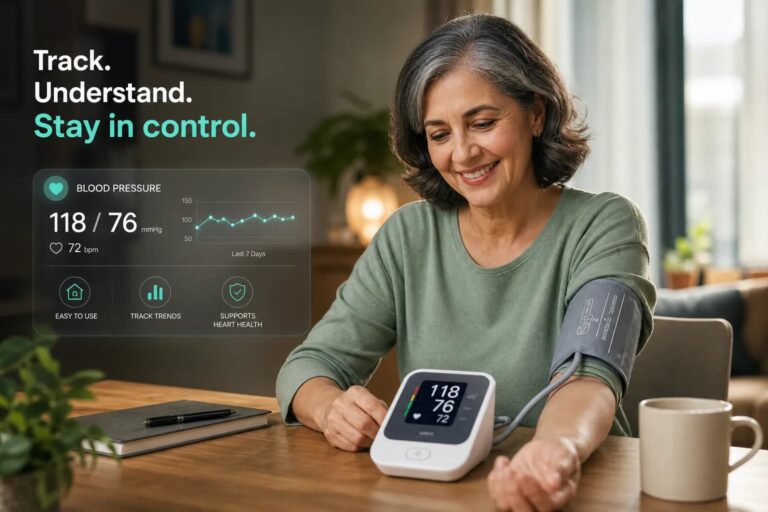
When readings are taken at home across days and weeks, the noise starts to average out. A care team can see whether pressure is settling after a medication change, whether it climbs on particular days, and whether a single high reading was the start of something or a one-off.
That is the difference remote monitoring is built around. The reading itself is the same; what changes is how many of them your care team gets to see, and how soon.
Taking a reading you can rely on
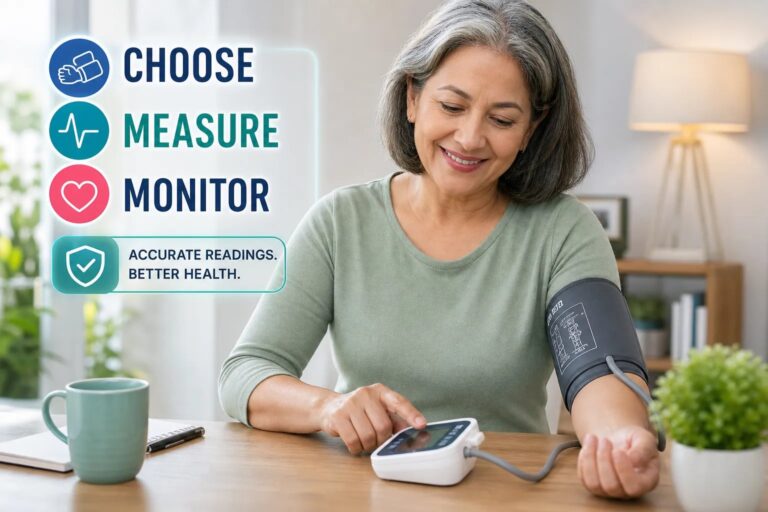
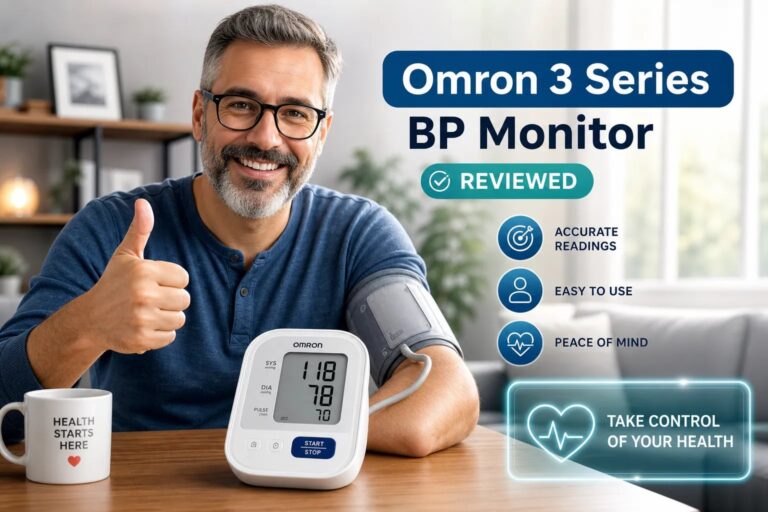
The American Heart Association publishes guidance on measuring blood pressure at home. In short:
- Sit quietly for five minutes before you start.
- Feet flat on the floor, back supported, legs uncrossed.
- Rest your arm on a table so the cuff sits level with your heart.
- Do not talk during the reading.
- Take two readings a minute apart and write both down.
- Measure at roughly the same times each day.
What Medicare covers
The Centers for Medicare & Medicaid Services has covered remote patient monitoring as its own category of service since 2018. Coverage and payment depend on your specific plan, so it is worth asking yours directly what applies to you.
When not to wait
Home monitoring is for tracking a trend over time. It is not a way to handle a reading that comes with chest pain, trouble breathing, weakness on one side, or a sudden severe headache. Those need urgent care, not a note in a log.
This article is general information about remote monitoring, not medical advice. Talk to your own doctor about your readings. Not for medical emergencies — call 911.
Sources
- American Heart Association, Monitoring your blood pressure at home
- Centers for Medicare & Medicaid Services, Remote patient monitoring coverage